
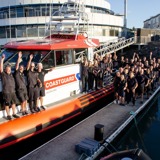
Coastguard Auckland
Unit Finalist
Coastguard Auckland began implementing Sea-Flux, a cloud-based vessel and crew management system that replaced outdated paper-based processes with a mobile-accessible digital platform. The rollout included onboard tablets across the fleet, enabling real-time data entry and eliminating manual transcription, which significantly improved oversight and reduced admin by around eight hours per week.
Sea-Flux integrates maintenance scheduling, crew certification tracking, weather forecasting, inventory management, and safety tools into one system. It provides full visibility of training and compliance, reduces vessel downtime through preventative alerts, and enhances planning with live weather data.
Rather than digitising existing forms, Coastguard Auckland redesigned its workflow around a smart, integrated system. Real-time logging, automated alerts, and secure incident reporting have streamlined operations and improved responsiveness. Co-developed with Sea-Flux, the platform continues to evolve with features like rostering, offering a scalable, future-ready solution tailored to the needs of Coastguard volunteers.
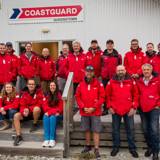
Coastguard Queenstown
Unit Finalist
In 2025, Coastguard Queenstown introduced a multi-layered crew engagement and training system that significantly improved operational performance and safety. Monthly themed “Crew Nights” combined scenario-based training, wellness activities, and cross-agency collaboration, strengthening team cohesion and readiness.
Technological upgrades, including AIS units and Starlink, enhanced crew survivability and enabled real-time coordination between vessels and shore crew. A creative solution overcame radar interference by positioning Starlink in the shadow of forward LED lights, allowing optimal performance. A Raspberry Pi unit was also developed to stream live navigation data to base, increasing shore crew engagement.
These innovations led to a 20% reduction in response times, a 15% increase in crew availability, and a 30% rise in training completion. The initiative was inclusive, sustainable, and designed for replication. Coastguard Queenstown has already shared its approach with other units, demonstrating its adaptability and long-term value.
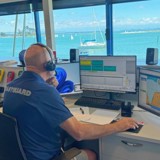
Coastguard Nelson
Unit Finalist
Over the past two and a half years, Coastguard Nelson has transformed its communications and shore-based systems, dramatically improving safety, flexibility, and operational effectiveness. Key upgrades include digital radio, a second repeater network, and remote incident management capabilities, allowing Duty Officers to coordinate missions without needing to travel to base.
These changes have resolved persistent issues like patchy coverage and reliance on third-party networks. The redesigned Radio Room now offers streamlined access to all channels and applications, while GPS tracking and secure comms enhance crew safety. Standard Operating Procedures (SOPs) and cue cards have been updated to reflect this new flexibility.
Rather than patching over problems, the team reimagined their systems from the ground up, creating a purpose-built, internet-enabled, digitally integrated setup tailored to local needs. Coastguard Nelson’s digital-first, remote-ready approach sets it apart from traditional practices and offers a scalable model for other units.
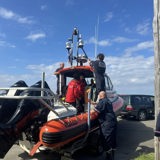
Coastguard Wanganui
Unit Finalist
Coastguard Wanganui developed a comprehensive, transferable procurement process for major equipment purchases, starting with a new rescue vessel. This included forming a collaborative working group with Coastguard, issuing detailed RFPs, creating legal contracts, and designing milestone-based claim templates. Early stakeholder engagement ensured the vessel would meet current and future operational needs.
The innovation has already delivered measurable impact. The vessel build is tracking well under budget, with a forecast completion cost of $860,000 against a $942,000 budget. Design improvements include enhanced towing capability, extended operational range, and better crew ergonomics and visibility.
This process fills a gap in Coastguard’s national practices and is now being shared with other units. Its sustainability lies in its adaptability - templates are living documents, ready to evolve. Long-term benefits include reduced risk, clearer supplier expectations, and smoother procurement for future projects.